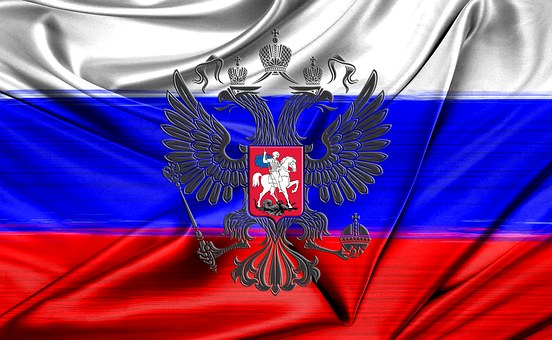
In April 2018, the United States imposed sanctions on seven Russian oligarchs and 12 companies they own or control, as well as 17 senior Russian government officials. The Treasury Department cited the Russian government’s “malign activity around the globe,” including the occupation of Crimea and violence in eastern Ukraine. A month earlier, in March 2018, it had sanctioned five entities and 19 individuals over Russian cyber activity, including interference in the 2016 U.S. presidential election.
This list of Russian oligarchs sanctioned by the U.S. Treasury Department includes some of Russia’s wealthiest and most influential business people, including aluminium magnate Oleg Deripaska and Viktor Vekselberg, founder of the Renova Group. So, whom did the U.S. sanctions target, and why? Let’s take a closer look.
Also read: Anatoly Sedykh: The Great Russian Oligarch
Overview Of The Russian Oligarchs And Their Role In Russian Politics
The Russian oligarchs are a class of wealthy businessmen who have amassed their fortunes primarily through privatizing state-owned assets in the 1990s. Many of these individuals have close ties to Vladimir Putin and his inner circle and are widely believed to wield significant political power within Russia.
The April 2018 sanctions targeted seven oligarchs and 12 companies they own or control. According to the Treasury Department, all of their assets subject to U.S. jurisdiction were frozen, and U.S. persons are generally prohibited from dealing with them.
The sanctioned individuals include Oleg Deripaska, a close ally of Putin; Viktor Vekselberg, another billionaire with ties to the Kremlin; and Andrey Kostin, the CEO of state-owned bank VTB.
While the sanctions have impacted the Russian economy, it remains to be seen whether they will be sufficient to change Putin’s behaviour or bring about any meaningful reform in Russia.
Also read: What Is Alexander Nesis Net Worth?
The Sanctions Against Them And How They Were Implemented
In April 2018, the United States sanctioned several Russian oligarchs and businesses in response to Russia’s “malign activity” worldwide. The sanctions targeted wealthy businesspeople with close ties to Russian President Vladimir Putin and several Russian companies.
The move was meant to pressure Putin’s allies and inner circle or family members, significantly impacting the Russian economy. The oligarchs sanctioned were among the wealthiest men in Russia, and their companies were some of the biggest in the country that later did the invasion of Ukraine.
The sanctions hit them hard, freezing their assets and preventing them from doing business with western firms and the European Union. As a result, the Russian economy took a significant hit, and Putin’s approval ratings fell sharply.
In response to the sanctions, Putin has been working to rebuild ties with western countries and has made some concessions on issues like arms control. However, the sanctions have taken a toll on the Russian economy, and it is unclear how long they will last.
Reaction From The Oligarchs And The Russian Government
The United States government has recently taken action against Russian oligarchs by sanctioning them. This has caused a reaction among the oligarchs themselves as well as from the Russian Federation.
The reason for the sanctions is that these oligarchs are critical to the Russian economy, and their sanctions will significantly impact them. In response to the sanctions, some oligarchs have attempted to distance themselves from the Russian government, while others have attempted to increase their ties.
The Russian government has also reacted to the sanctions by trying to protect the oligarchs from further sanctions. This includes pressure on Western firms doing business with Russia and increasing its economic ties with China.
While it is still too early to tell how effective these measures will be, it is clear that the sanctions have a significant impact on both the oligarchs and the Russian government.
Also read: Alexander Abramov Oligarch
What This Means For Russia’s Economy And Its Relationship With Other Countries
The sanctions hit Russian markets immediately. On 9 April 2018, three days after the announcement, the dollar and the euro rose to their highest levels against the ruble since the second half of 2017, and the dollar-denominated RTS stock index fell more than 11 percent, RFE/RL reported. The sanctions have also caused tensions between Russia and other countries.
In March 2018, after the nerve agent attack on the former Russian intelligence officer Sergei Skripal in Salisbury, the British government demanded that Russia provide “full and complete disclosure of the Novichok programme” to the Organisation for the Prohibition of Chemical Weapons.
The poisoning triggered a diplomatic crisis between Britain and Russia. With both countries expelling dozens of diplomats from their respective embassies. The U.S. sanctions on Russian oligarchs will further complicate relations between Russia and Western countries.
Also read: Russian Oligarchs In California
How Will This Impact Putin’s Popularity In Russia?
The sanctions were placed on these businessmen by the United States government. It will have far-reaching effects on many aspects of the Russian elites’ life and politics.
The businesses owned by the oligarchs will feel the first and most immediate effect. Many of these businesses are involved in international trade and will now be cut off from the American market. This will likely lead to a sharp decline in profits, and some businesses may even be forced to close their doors.
The sanctions will also batter the oligarchs themselves. Many of them have extensive investments in the United States,. They will now be cut off from that source of income. In addition, their ability to travel to the United Nations general assembly will be severely restricted.
The sanctions will also have an impact on Russian politics. Vladimir Putin has been relying on the support of the oligarchs to bolster his popularity. But that support will now vanish.
In addition, Putin’s opponents will use the sanctions as proof that his policies are harming Russia’s economy. This could lead to a decline in Putin’s popularity and an increase in support for his opponents. In short, the sanctions against the Russian oligarchs will have far-reaching consequences for Russia.
The Russian Oligarchs Who The U.S. Government Has Sanctioned
Many of them made their fortunes in the 1990s when the Russian economy was in chaos. Private ownership of businesses was allowed for the first time. Mikhail Khodorkovsky, Vladimir Gusinsky, and Roman Abramovich are among the most well-known oligarchs.
They have become increasingly involved in politics in recent years. Using their considerable wealth to support Vladimir Putin and his United Russia party. However, they have also been accused of corruption and human rights abuses.
In April 2018, the U.S. Treasury Department imposed sanctions on seven Russian oligarchs and 12 companies they own or control. The oligarchs are now cut off from the global financial system, and their assets are frozen.
The Treasury Department justified the April 2018 designations with the Russian government’s “malign activity around the globe,” citing the occupation of Crimea, violence in eastern Ukraine, arms supplies to the Assad regime and attempts “to subvert Western democracies.” Sanctions over interference in the 2016 U.S. elections had been imposed separately, on Russian cyber actors, in March 2018.
Also read: Rich Russian Oligarch’s Wives
Image credit:pixabay.com
Conclusion
The Russian oligarchs sanctioned by the U.S. are a varied group with diverse interests. While some may have ties to Putin or be involved in questionable activities, others appear to be legitimate business people who want to conduct business without interference from the government.
It will be interesting to see how this plays out in the coming months and whether more oligarchs will be targeted for sanctions.